


AV Solutions by Application
Video Wall Systems
A video wall combines several displays — or a modular direct-view LED (dvLED) surface — into one large canvas. They are used in lobbies, control rooms, retail, and venues where a single display would not be large enough.
The main decisions are the display technology (narrow-bezel LCD tiles versus seamless dvLED), how content is split across the wall (a video wall processor or the displays’ built-in tiling), and a mounting system that keeps every panel aligned.
Typical System Components
The building blocks most systems of this type use, with products to compare in each category.
Video Wall Displays
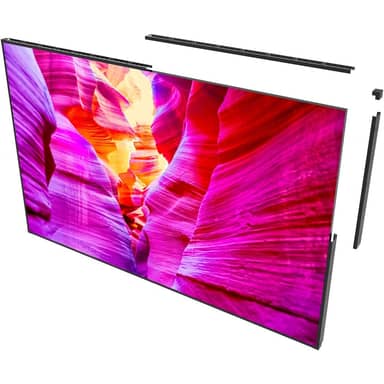
Video wall LCD panels have very narrow bezels and are designed to be tiled; all-in-one dvLED displays avoid seams altogether.


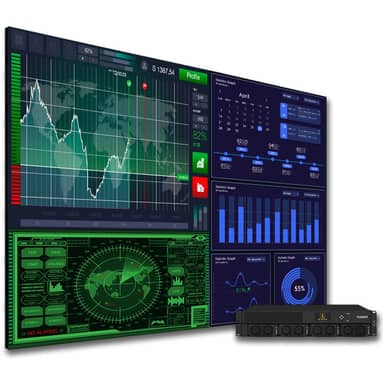
Processors & Controllers
Video wall processors and LED controllers split or scale sources across multiple screens and handle layouts such as 2x2 or 3x3.


Signal Distribution
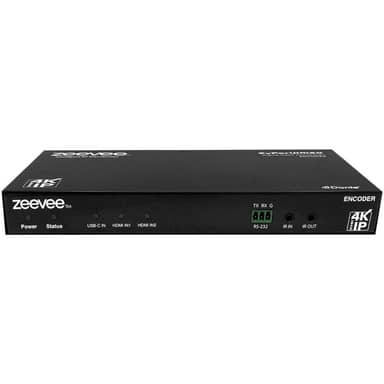
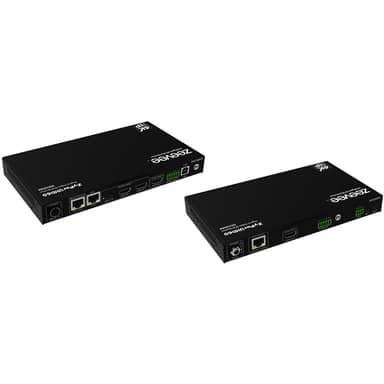
HDBaseT extenders and AV-over-IP encoders/decoders carry video from the source to a wall that is far from the rack or spread across a building.

Video Wall Mounts
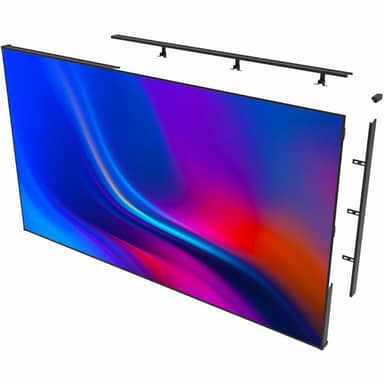
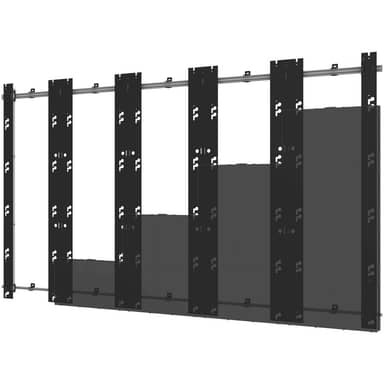
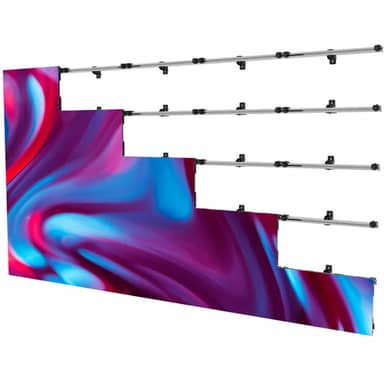
Dedicated video wall and dvLED mounts provide the fine alignment adjustments and service access that standard TV mounts lack.
Frequently Asked Questions
What is the difference between an LCD video wall and a dvLED wall?
LCD video walls tile several narrow-bezel panels, so thin seams remain visible between them. Direct-view LED walls are built from modules that join without bezels; their pixel pitch determines how close viewers can stand before individual pixels become visible.
Do I need a video wall processor?
Many video wall displays can tile a single source using built-in settings and daisy-chained inputs. A processor is typically used when you need multiple sources at once, flexible layouts, or scaling across non-standard configurations.
Can I use regular TVs to build a video wall?
Consumer TVs usually have wider bezels, may not support tiling or long operating hours, and can vary in color from unit to unit. Displays sold specifically for video walls are generally designed to address those issues.